Physiotherapy for footballers
Professional footballers from La Liga and the second division come through FISIOBOX every week — their signed shirts hang on our wall. Football punishes hamstrings, knees and ankles above all, and you pay for a half-finished recovery on the next sprint. An amateur league player gets exactly the same protocol as a professional. We are at Carrer de Provença 455, next to the Sagrada Família in the Eixample, Barcelona.
The footballers on our wall
See the whole wall →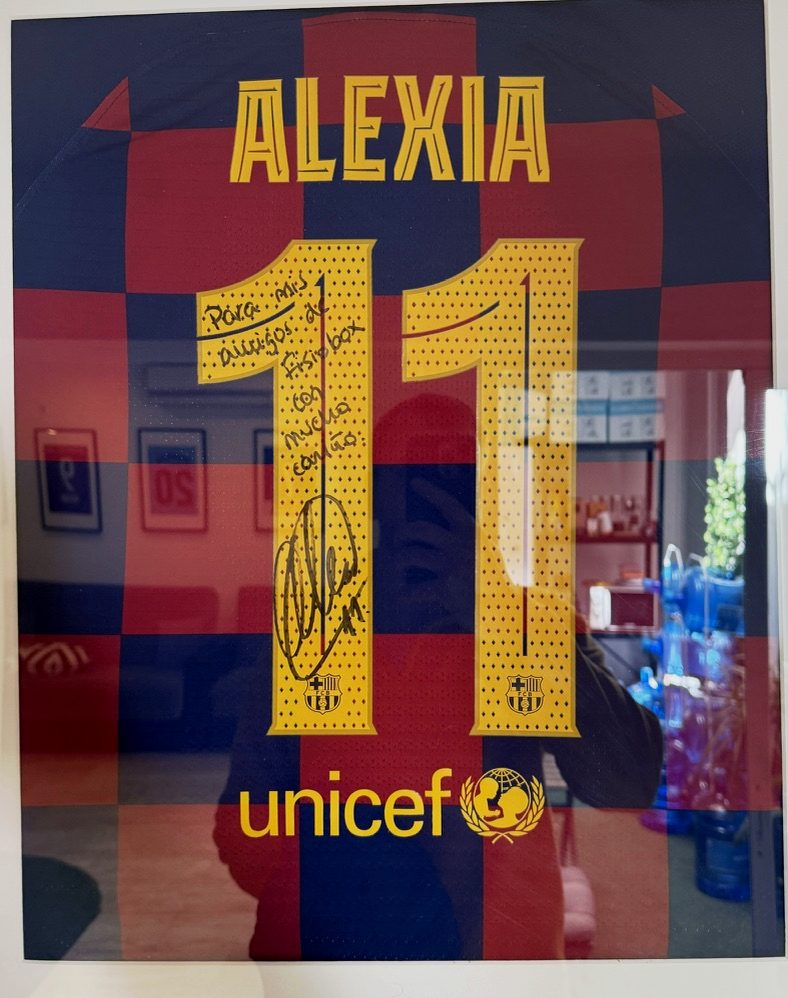
Alexia
FC Barcelona
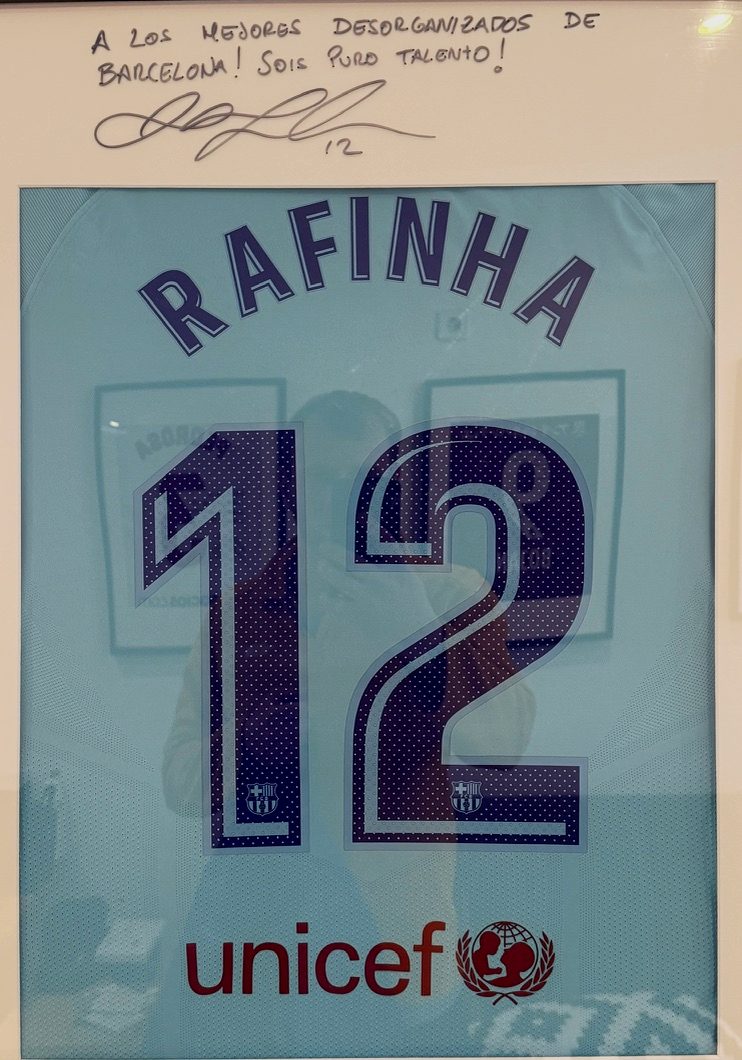
Rafinha
FC Barcelona
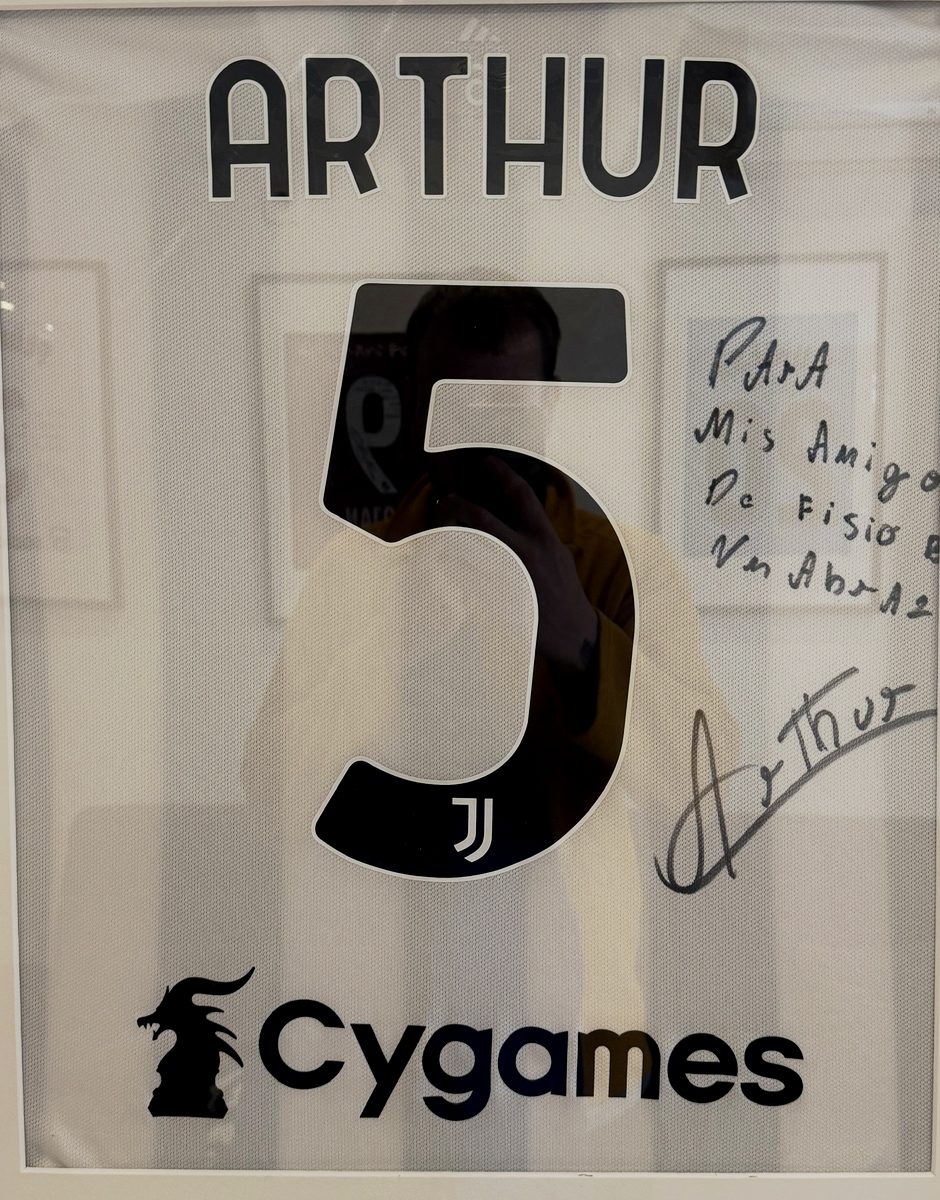
Arthur
Juventus
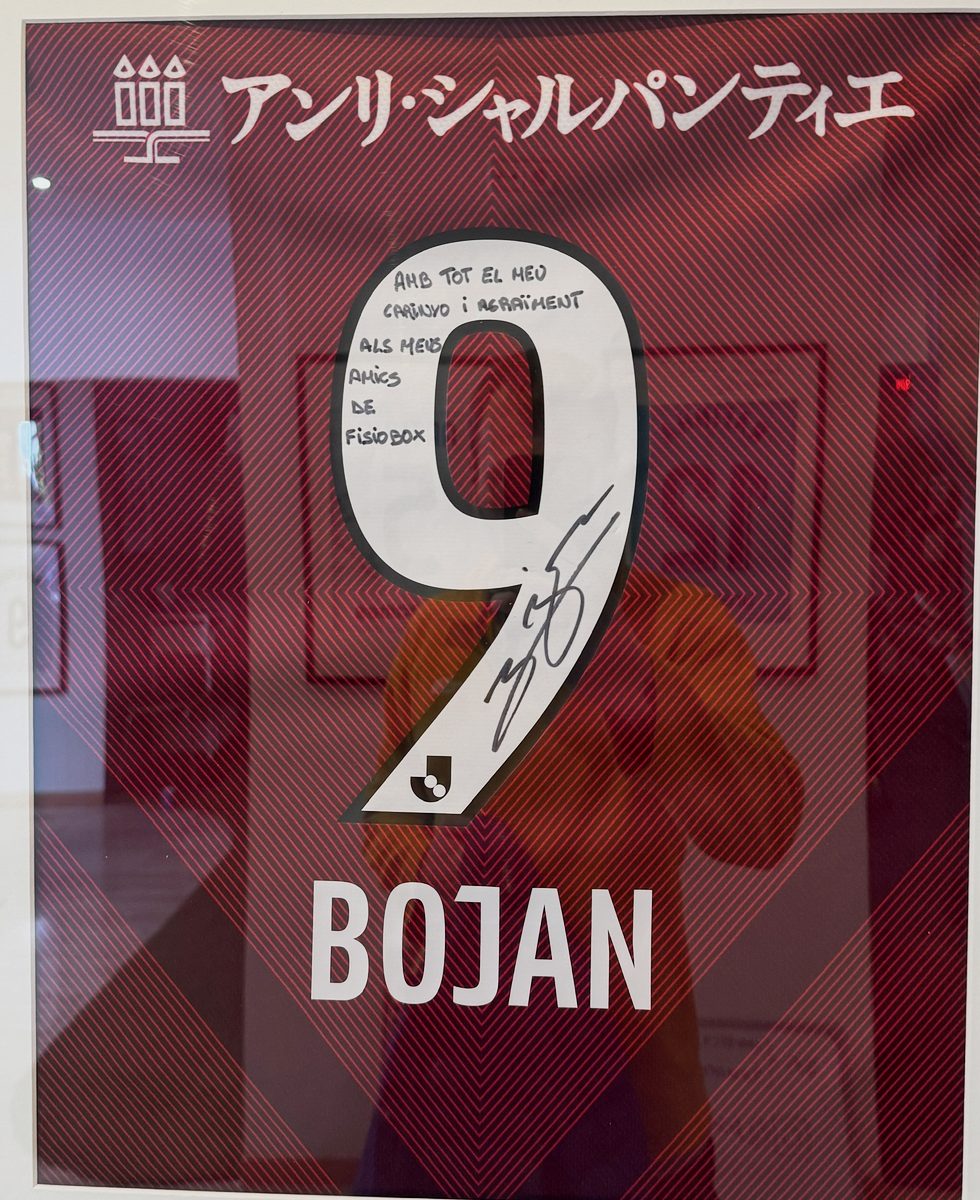
Bojan
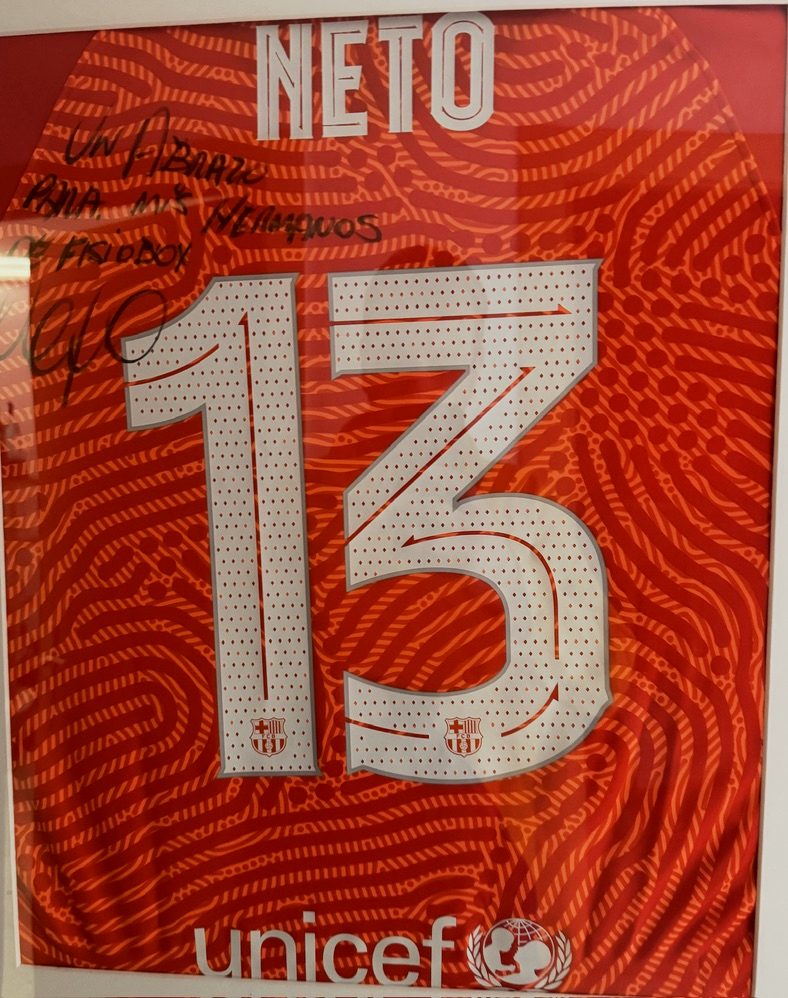
Neto
FC Barcelona
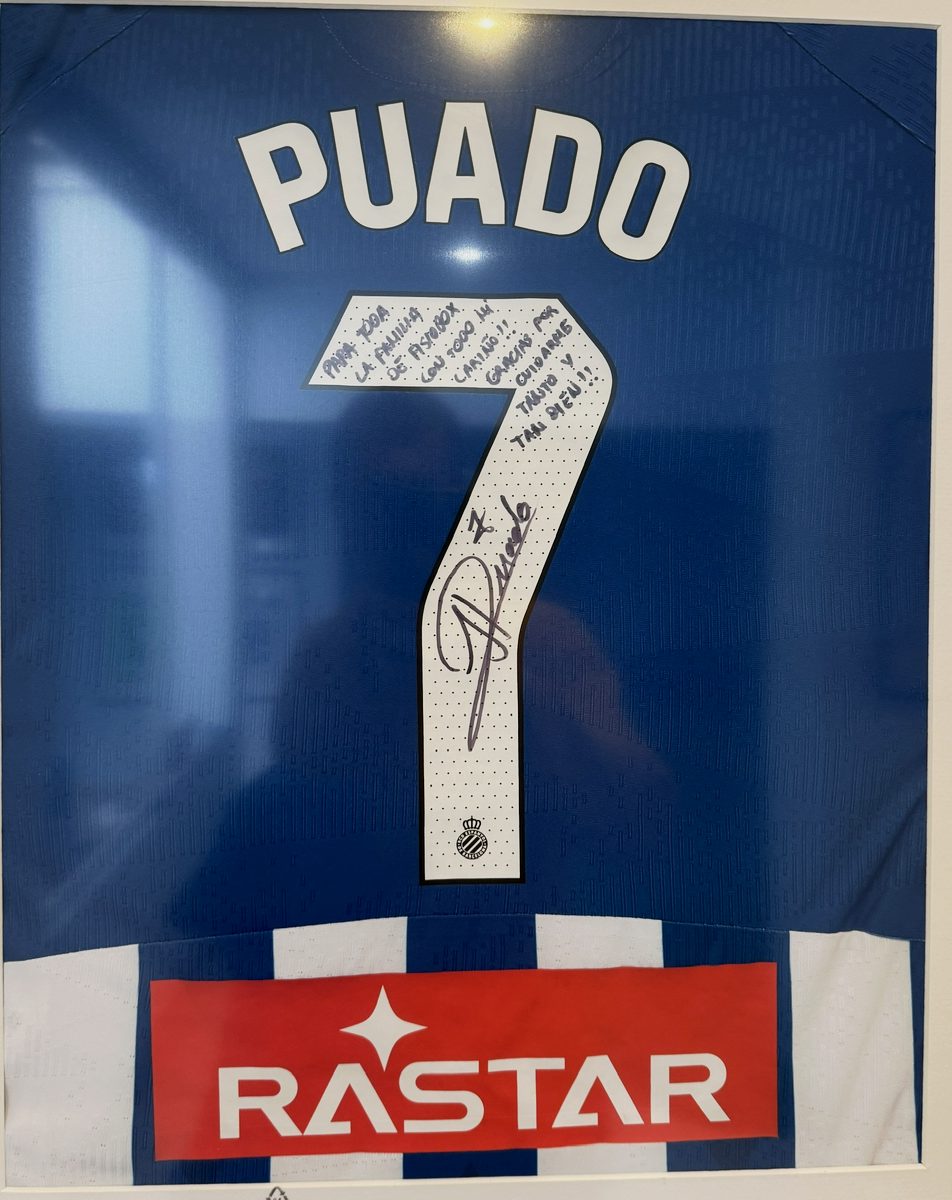
Puado
RCD Espanyol
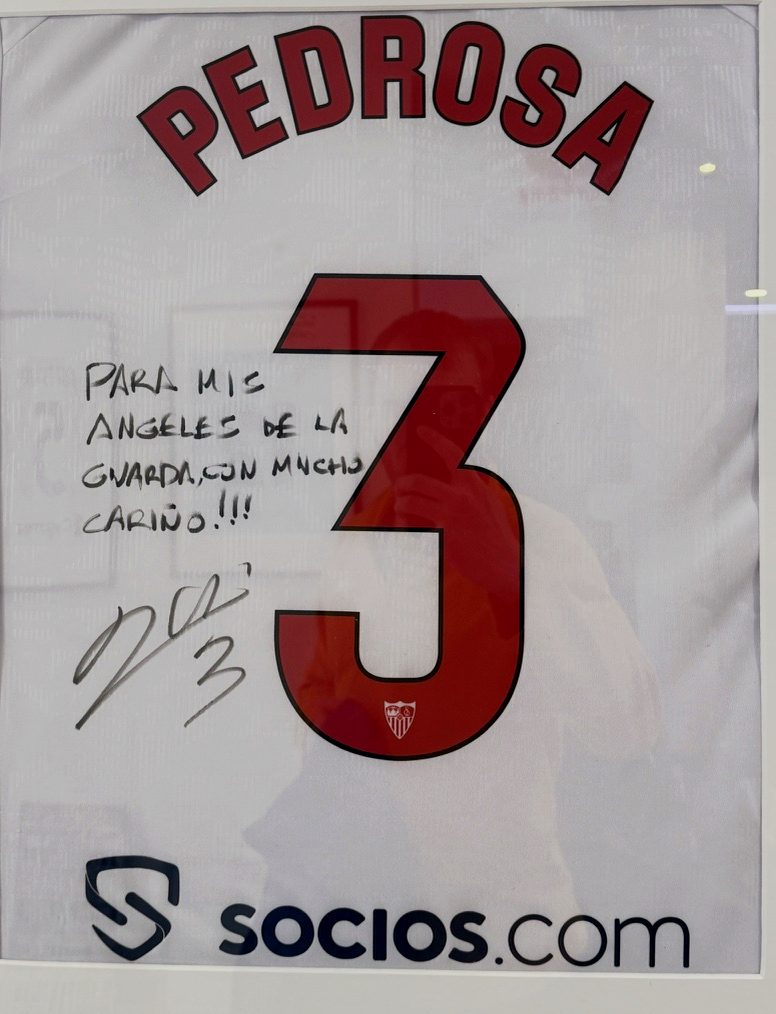
Pedrosa
Sevilla FC
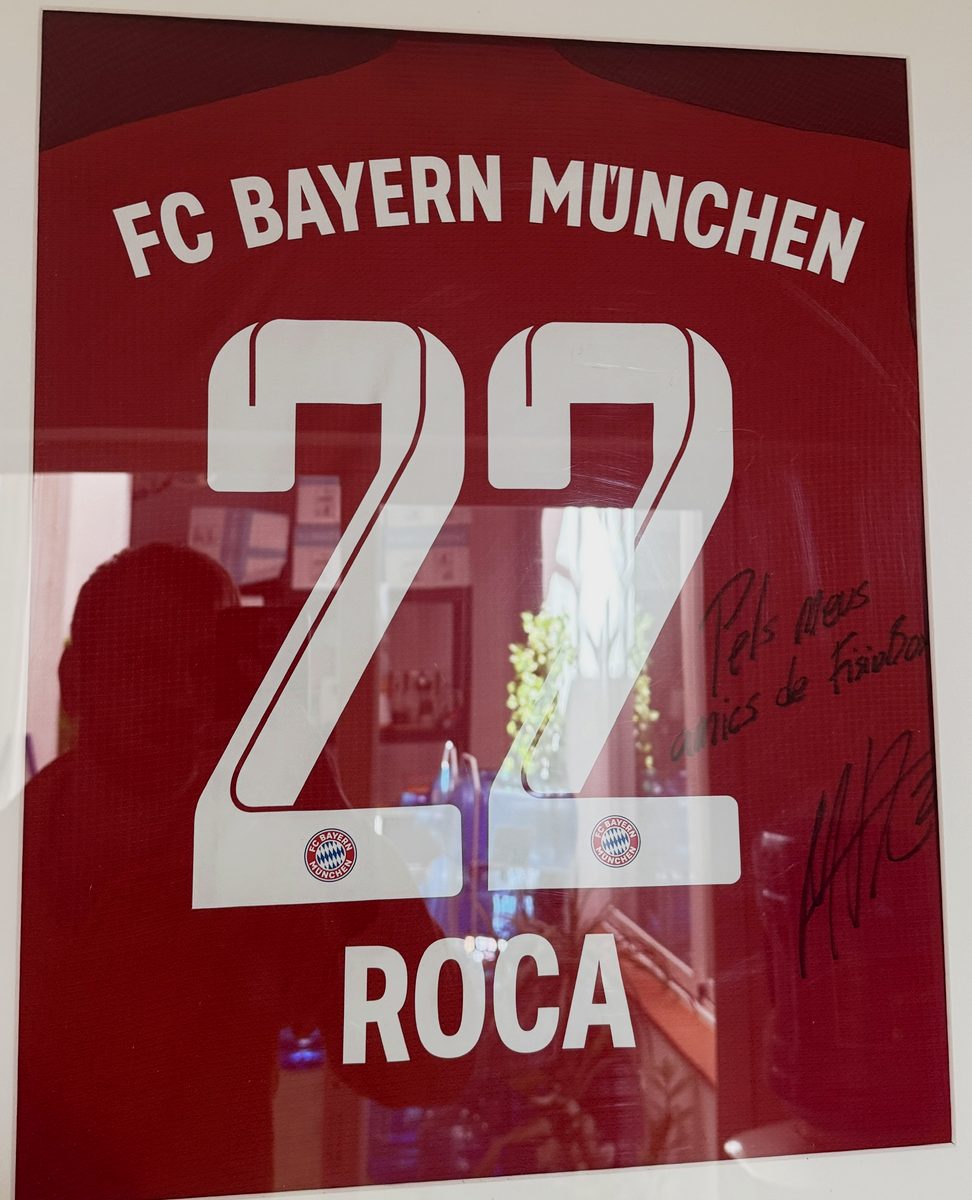
Roca
FC Bayern München
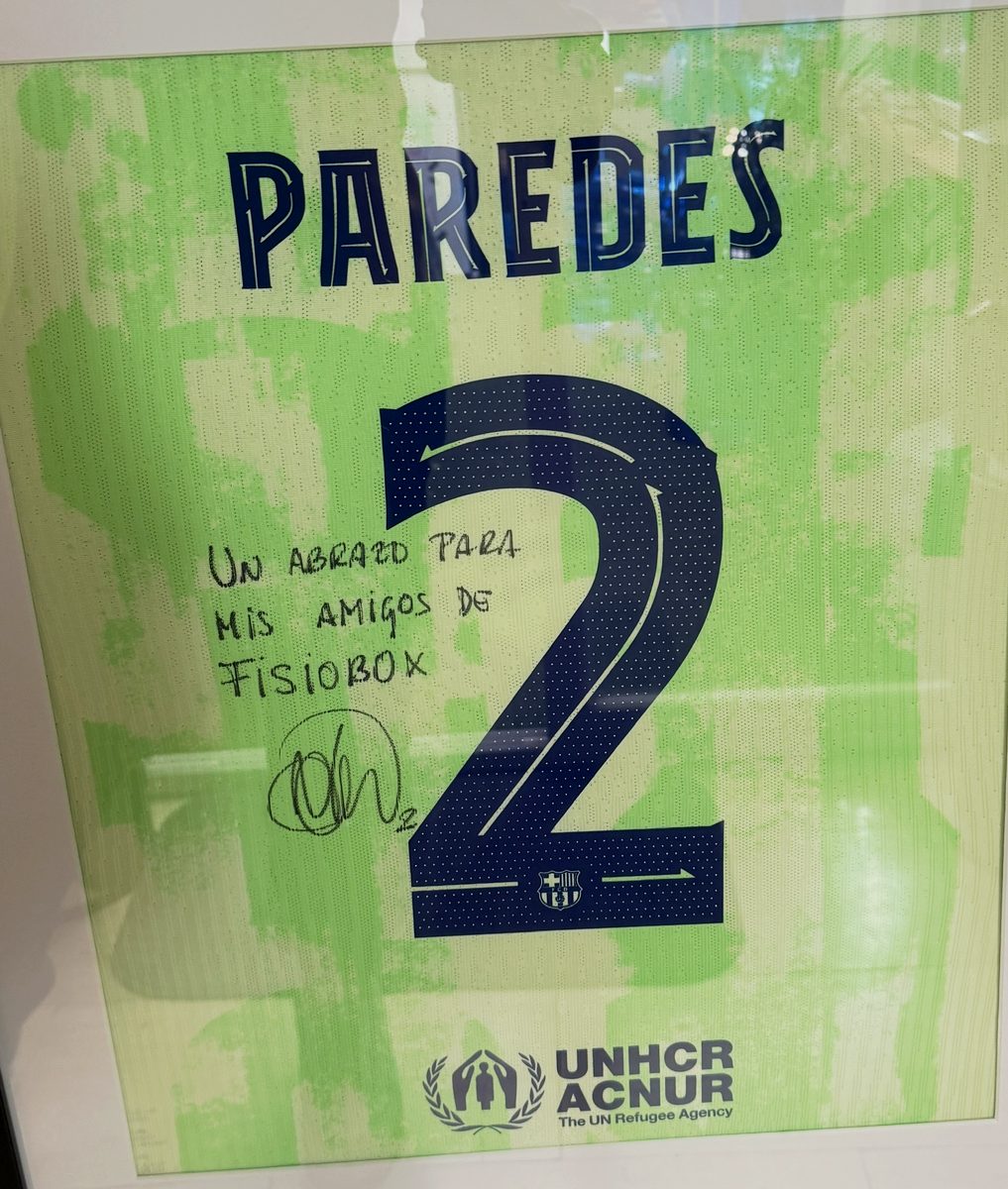
Paredes
FC Barcelona
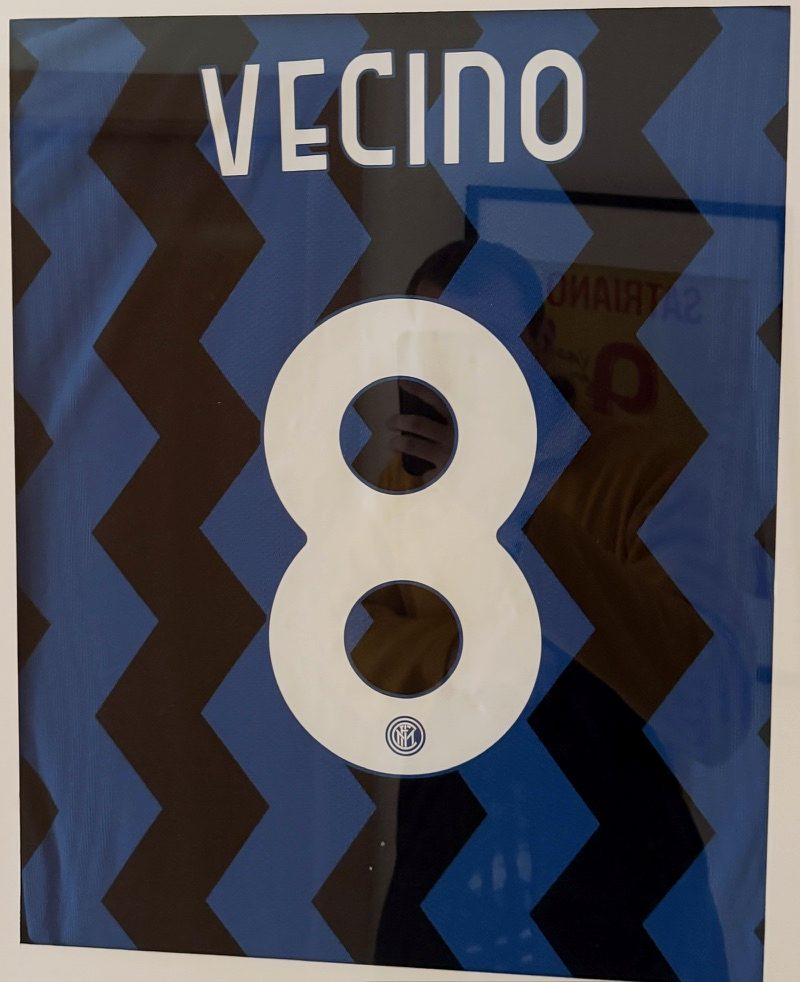
Vecino
Inter
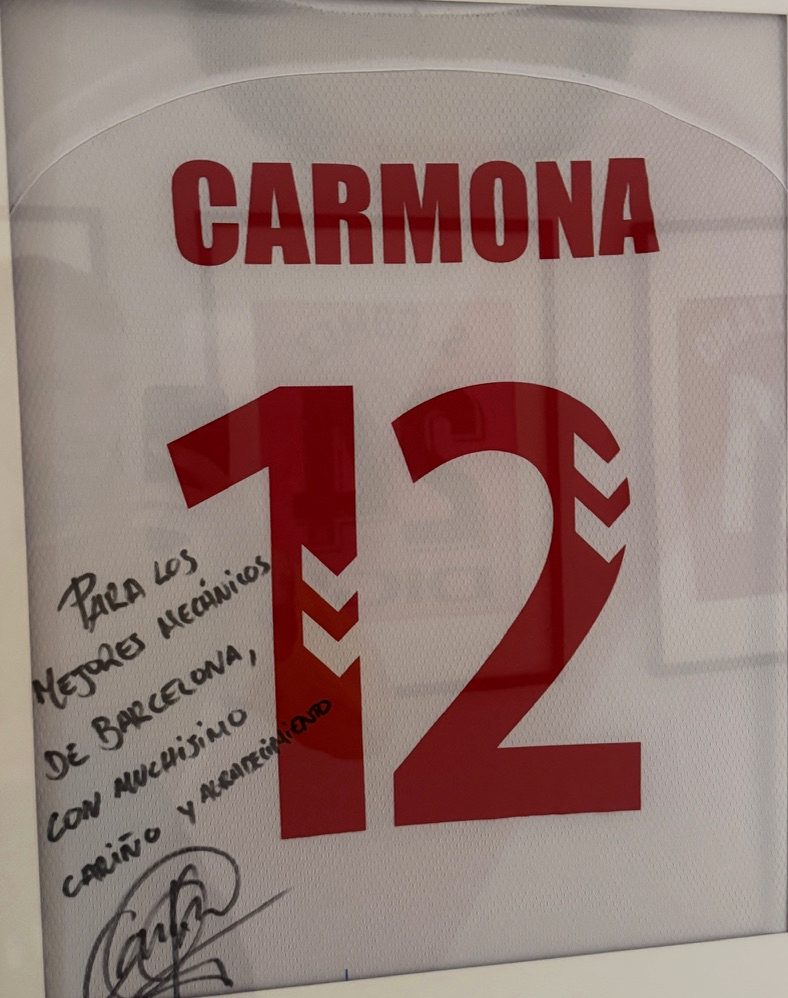
Carmona
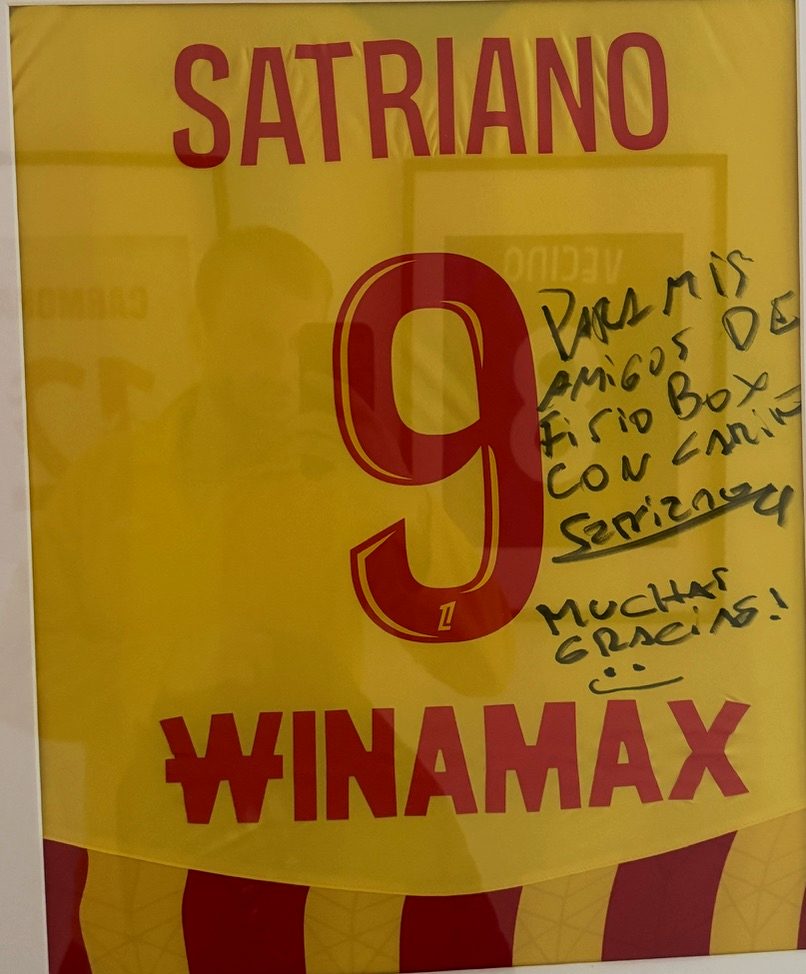
Satriano
What we treat most in football
Muscle tears
Football's most common injury, above all in hamstrings, adductors and calves. Ultrasound to size it, measured load progression and objective return criteria: re-injury is what costs.
Ankle sprains
Common and badly healed in most cases. We treat the ligament and retrain proprioception so it never becomes chronic.
ACL and meniscus injuries
Full post-surgical rehab: strength, jump control and a progressive return to the pitch, backed by force-plate data.
Groin pain / athletic pubalgia
The adductor and pubic pain that does not leave on its own. We find the cause in the chain (hip, core, adductors) and correct it with strength work.
Patellar and Achilles tendinopathy
Ultrasound-guided EPI plus eccentric loading: tendons are treated by loading them well, not by rest.
What we measure before you go back on the pitch
We don’t give dates, we give criteria. Before clearing you we measure the strength of each leg and jump symmetry on the force plate, how each muscle responds with tensiomyography, and how you tolerate sprinting, cutting and striking the ball. You play again when the numbers say so, not when the weeks are up.
How we work it
First an assessment with ultrasound and, when needed, tensiomyography to measure which muscle is not responding. Then treatment (manual therapy, EPI, INDIBA) and return-to-sport training with the strength and conditioning coach until you meet objective return criteria. We also support athletes at competitions when the calendar demands it.
What a full return to sport looks like
Frequently asked questions
Do you treat amateur footballers or only professionals?
Both, with the same protocol. Most of our wall is professionals, but a Sunday-league or regional player gets the same assessment, the same follow-up and the same return criteria.
How long does a hamstring tear take to heal?
It depends on the grade and exactly where in the muscle it is, which we see on ultrasound at the first visit. Rather than a number of weeks, we give you the criteria you need to meet to return without re-injury: strength, symmetry and tolerance to top-speed running.
Do you do rehab after ACL surgery?
Yes, from start to finish: from the first weeks after surgery all the way back to the pitch, with a physio and a strength and conditioning coach on the same case and force-plate data at every stage.
Where are you?
A few minutes’ walk from Sagrada Família metro (L2 and L5): Carrer de Provença 455, in the Eixample, Barcelona.